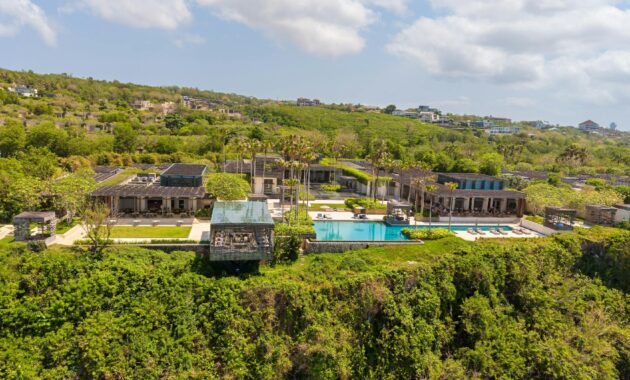
Bali Villa Construction: Your Guide to Building Dream Homes in Paradise
Bali villa construction is an exciting venture for anyone looking to invest in a piece of this tropical paradise. The enchanting islands offer a serene environment, lush landscapes, and a vibrant culture that beckons people to create their dream homes. If you’re considering building a villa in Bali, understanding the local landscape, regulations, and design elements is paramount for a successful project. This guide will provide you with comprehensive insights into navigating the construction process in Bali.
Understanding the Unique Landscape of Bali
When embarking on the journey of Bali villa construction, it is essential to appreciate the unique geographic features that the island has to offer. The terrain varies dramatically from coastal beaches to rolling hills, dense jungles, and picturesque rice paddies. These natural elements provide ample opportunities for creating homes that blend seamlessly with the environment.
Before starting the construction process, take time to explore the various regions of Bali—such as Ubud, Seminyak, and Canggu—to determine which location resonates most with your vision. Each area has its distinct atmosphere and potential views that can significantly impact your villa design.
Navigating Legal Requirements and Permits
One of the most critical steps in Bali villa construction is understanding the legal requirements and permits needed to proceed. The Indonesian government has specific regulations regarding land ownership, especially for foreigners. Here are some important considerations:
Land Ownership
Foreigners cannot directly own land in Indonesia; instead, they can use leasehold agreements, usually lasting between 25 and 99 years. It is essential to engage a local legal advisor who understands the nuances of Indonesian property law to navigate this landscape smoothly.
Building Permits
Obtaining a building permit (IMB) is another crucial aspect you cannot overlook. The application process typically involves submitting architectural plans, environmental assessments, and other necessary documents to local authorities. Engaging a local architect familiar with the system can expedite this process and help you avoid any potential pitfalls.
Designing Your Dream Villa
Once you have secured your land and permits, the next stage is to design your dream villa. Balinese architecture is characterized by open spaces, natural materials, and an integration with nature. Consider the following elements when conceptualizing your design:
Embracing Nature
Incorporate features that enhance the natural beauty around your villa. Open-air living spaces, large windows, and outdoor terraces allow you to merge indoor and outdoor environments. Utilize local materials like bamboo, stone, and teak for a more authentic and eco-friendly appeal.
Sustainable Practices
Sustainability is becoming increasingly important in Bali, where the local ecosystem is vital for the island’s appeal. Consider implementing solar panels, rainwater harvesting systems, and environmentally-friendly building materials. A sustainable villa not only conserves resources but also enhances your appeal as a responsible homeowner in paradise.
Finding Trustworthy Contractors
The quality of your villa largely depends on the contractors you choose. Look for reputable builders who have a solid portfolio and good references. It’s advisable to get multiple quotes to ensure you’re not only getting a fair price but also a perfect match for your vision. Furthermore, consider cultural differences in work ethics and communication; establishing clear lines of communication from the start can make the construction process more fluid.
Managing the Construction Process
Bali villa construction may come with its set of challenges, but effective project management can help you stay on track. Setting a reasonable timeline and budget will make the process smoother. Regular check-ups and progress meetings with your contractor can ensure that everything is aligning with your vision.
Understanding the Timeline
Construction timelines can vary depending on the complexity of your villa design and the availability of materials. On average, building a villa could take anywhere from a few months to a couple of years. Be prepared for potential delays due to weather conditions or supply chain issues common in tropical climates.
Final Touches and Interior Design
Once your villa is built, the finishing touches are what truly bring your dream home to life. Invest in local crafts, artwork, and textiles to create an authentic Balinese atmosphere. Engage a skilled interior designer who understands Balinese aesthetics to help you curate spaces that reflect your style while honoring local culture.
Conclusion
Bali villa construction can be a rewarding journey that culminates in a beautiful home in an enchanting setting. From understanding the local landscape and legal requirements to designing your dream villa and managing the construction process, each step is crucial to achieving your vision. By partnering with knowledgeable locals and respecting the island’s culture and environment, you can build a lasting sanctuary that brings joy for years to come. Embrace the adventure and experience the fulfillment of turning your dream home into reality in Bali.